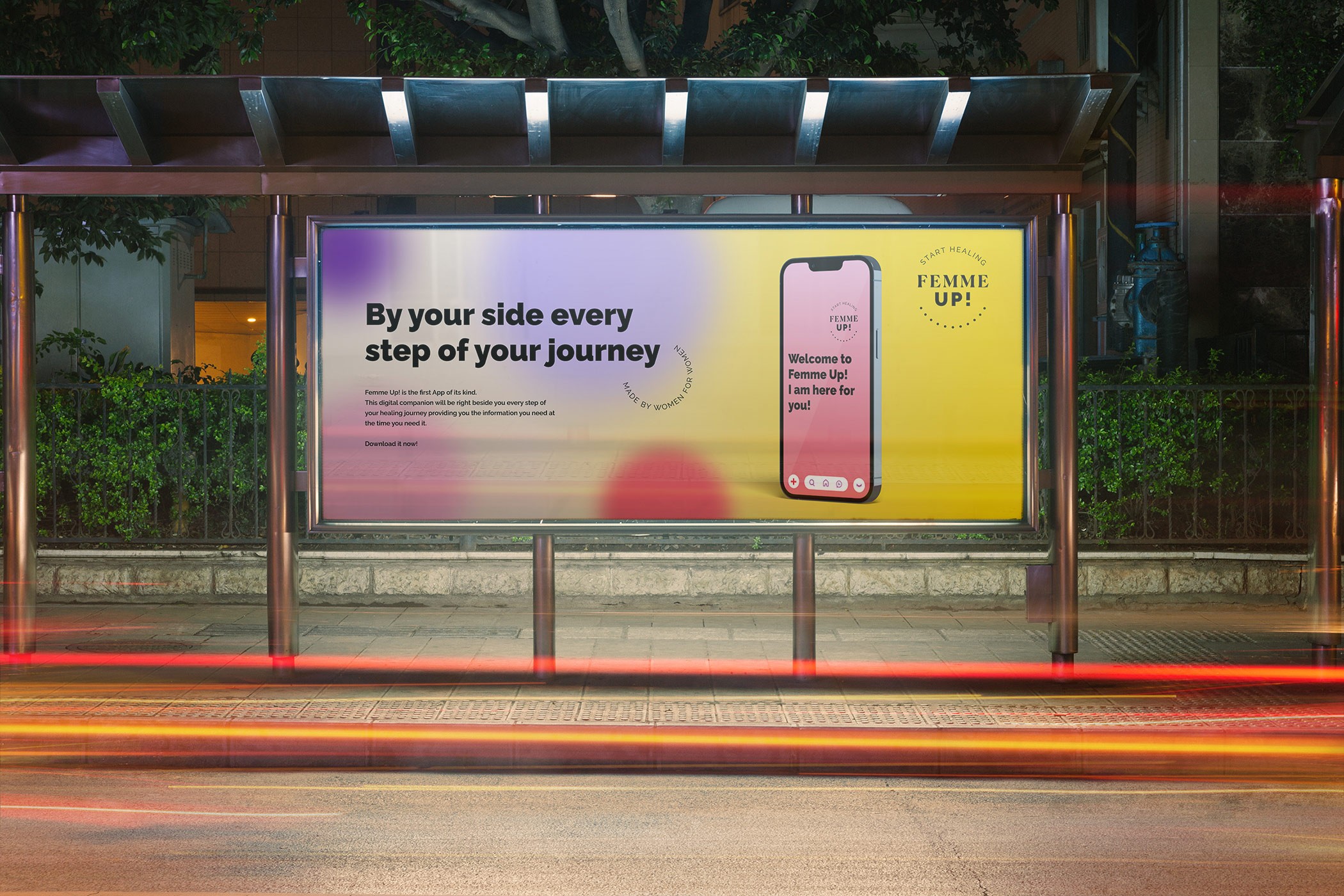
A human-centered App designed to empower recovery through thoughtful design and contextual support.
Sexual violence is a significant global threat to women, and societal taboos often make the healing process even more challenging. With the rise of technology, there are new opportunities to support survivors.
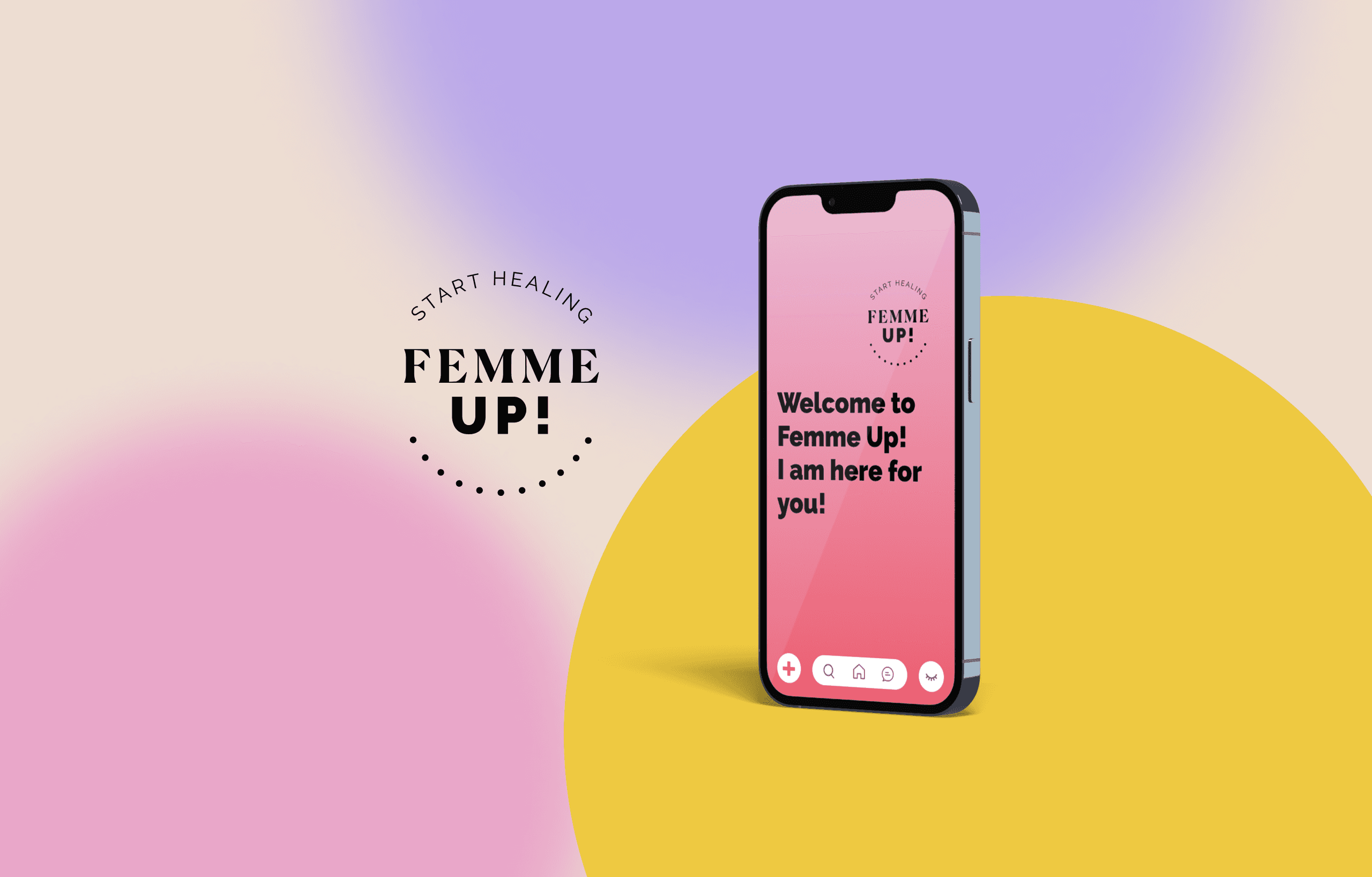
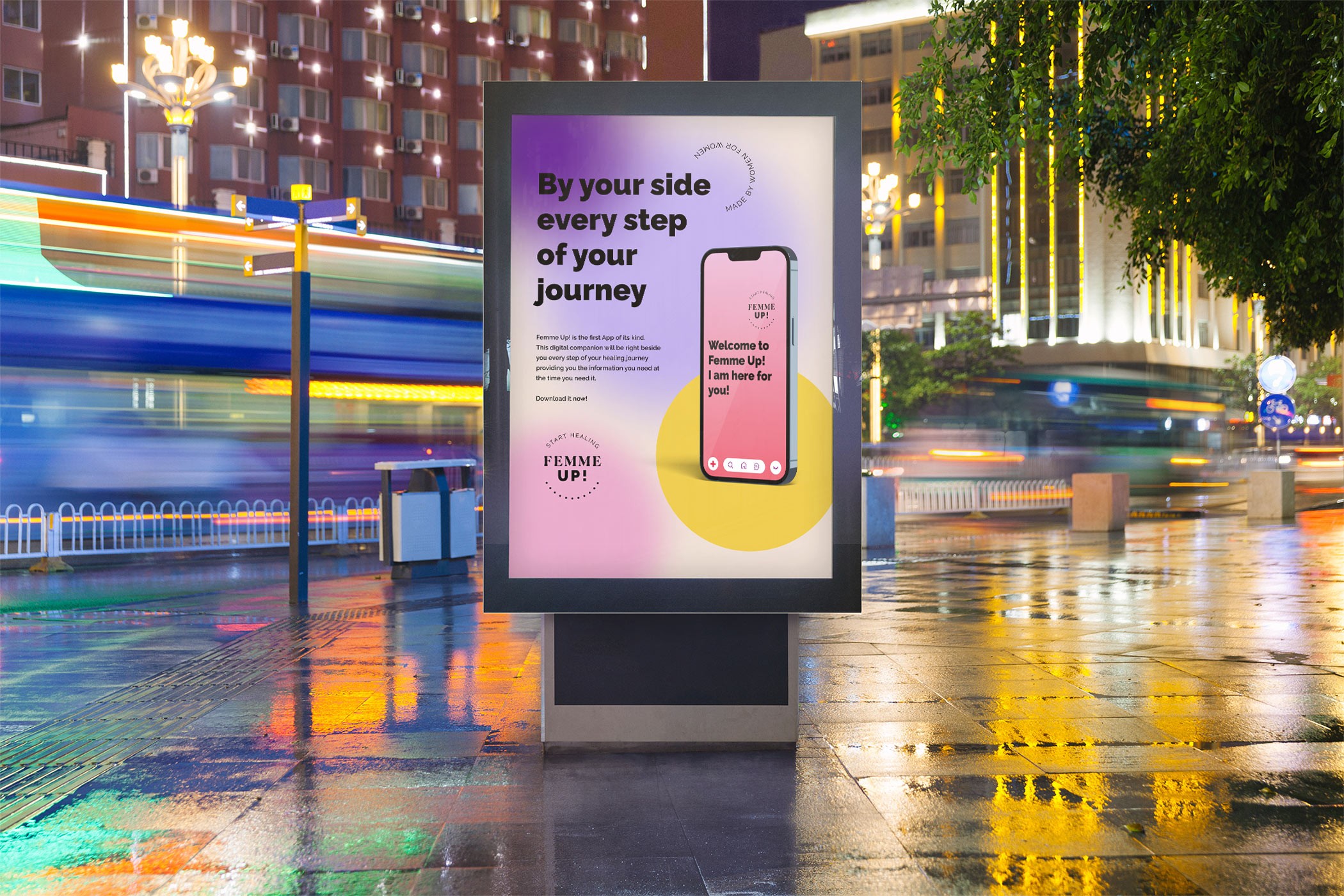
In this project, I developed Femme Up!, a human-centered App supporting survivors on their healing journey. It delivers personalized, context-aware guidance based on location, emotional state, and recovery stage—helping overcome common barriers to seeking help. I led the research, design, and development of the concept.
Final Master Project – 2022
Survivors of sexual violence often face overwhelming barriers when seeking help—stigma, lack of information, fear, and emotional distress. Femme Up! addresses these challenges by offering a sensitive, digital-first solution to support recovery in a safe, accessible way.
Research-Driven Design
To design a meaningful solution, I conducted in-depth research including interviews with social workers, psychologists, and journalists. I explored the societal and emotional factors affecting recovery and examined existing digital tools to identify gaps.
Key findings included:
Assaults often happen at home, by someone known to the survivor.
Shame and fear create strong barriers to disclosure.
Many survivors lack access to clear, trustworthy information.
Talking about the assault can be an empowering part of healing.
Survivors need reassurance: You are not alone. There is help.
Society also needs to send a message: Violence is not tolerated.
From Insight to Product
With a human-centered design process, I defined the context of use, user needs, and core functionalities. The app targets women aged 18+ in abusive situations or post-assault recovery, offering support tailored to their specific phase of healing.
Core Features
Personalized Guidance: Gamified flow delivers relevant content based on user input, mindset, and recovery stage.
Hide Button: A discreet exit function redirects to a neutral site like a cooking page—crucial for users living with perpetrators.
Emergency Button: Instant access to emergency services and location sharing.
24/7 Chat: Direct contact with Hilfetelefon in 17 languages, integrated into the app.
Soothing Tips: Grounding exercises and calming techniques help manage post-assault anxiety.
Language Options: Downloadable in multiple languages (prototype in English).
Neutral Branding: Discreet icon and name designed for safety and privacy.
Design Approach
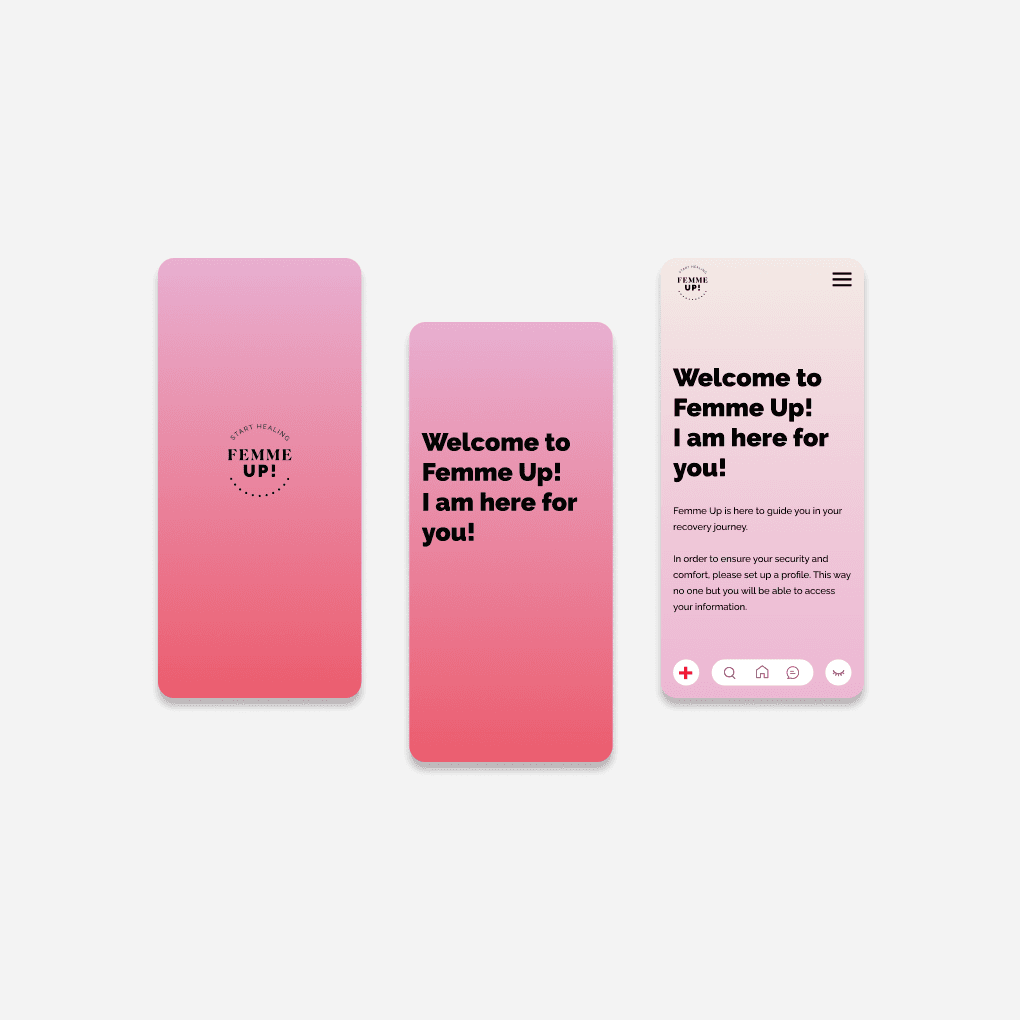
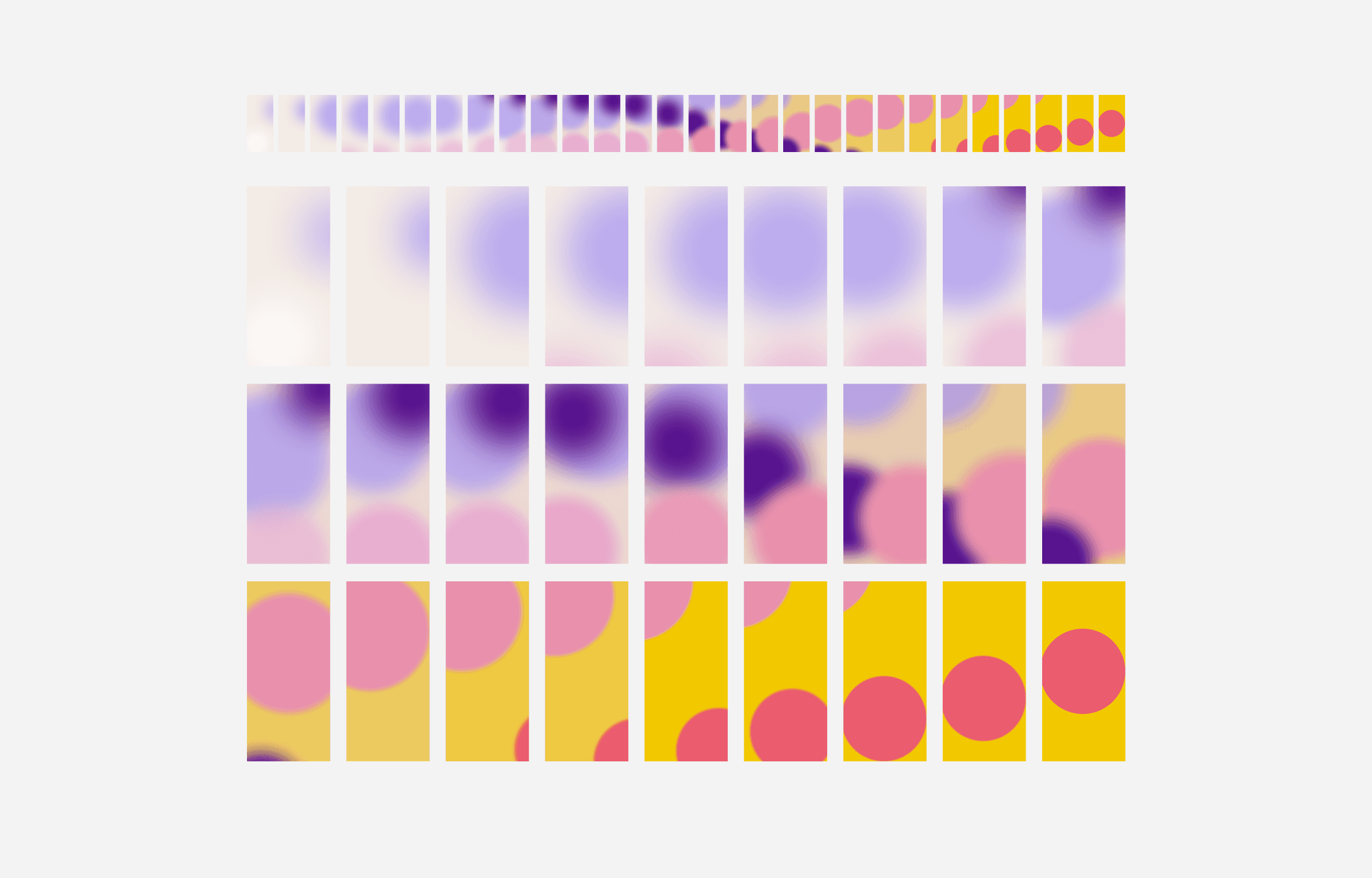
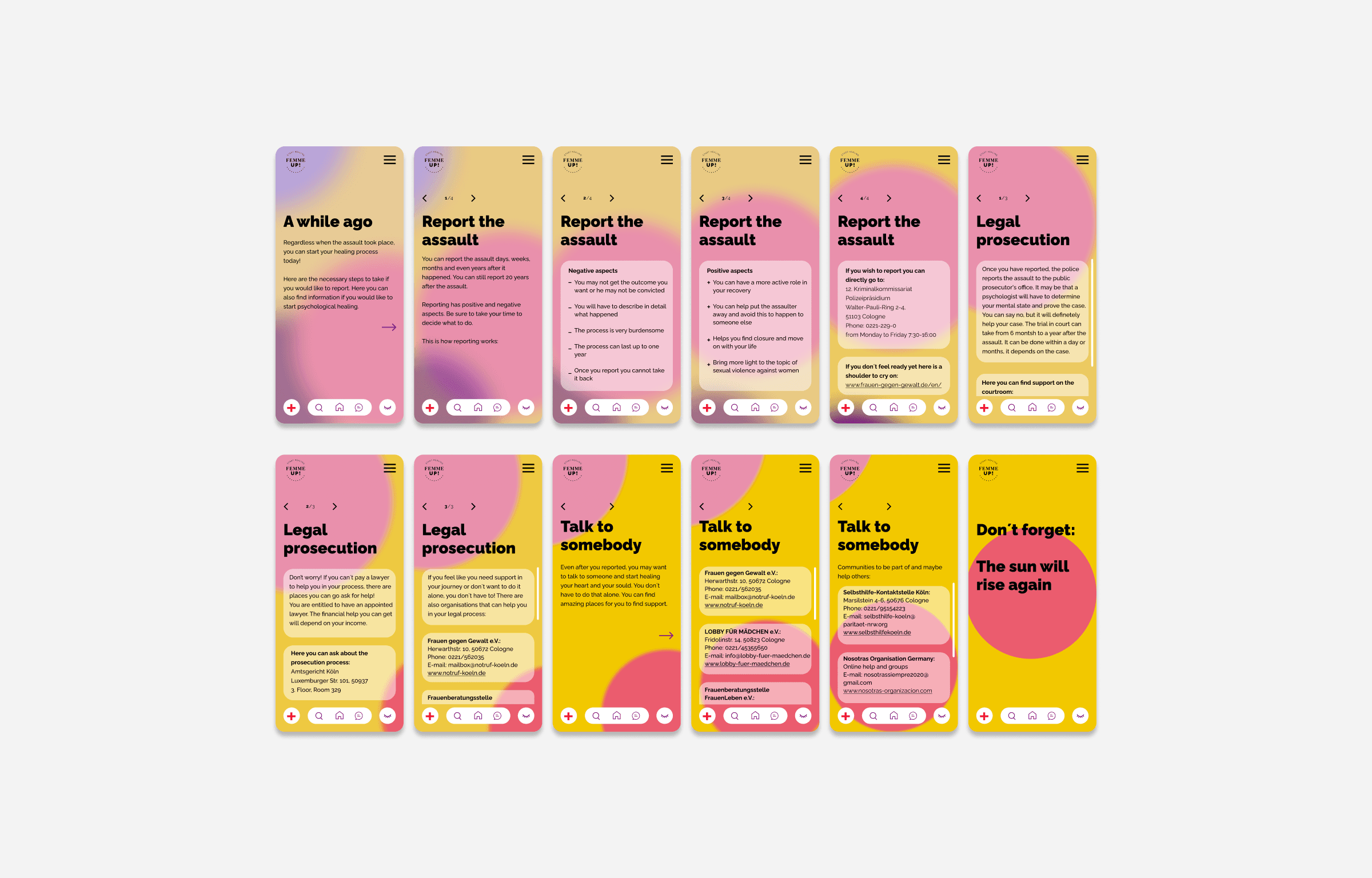
The visual design is emotionally intentional. Information is structured based on time since the incident, from immediate checklists to long-term legal and emotional support. The evolving color palette mirrors the healing journey—from soft tones offering comfort to bold hues that signify empowerment and hope.
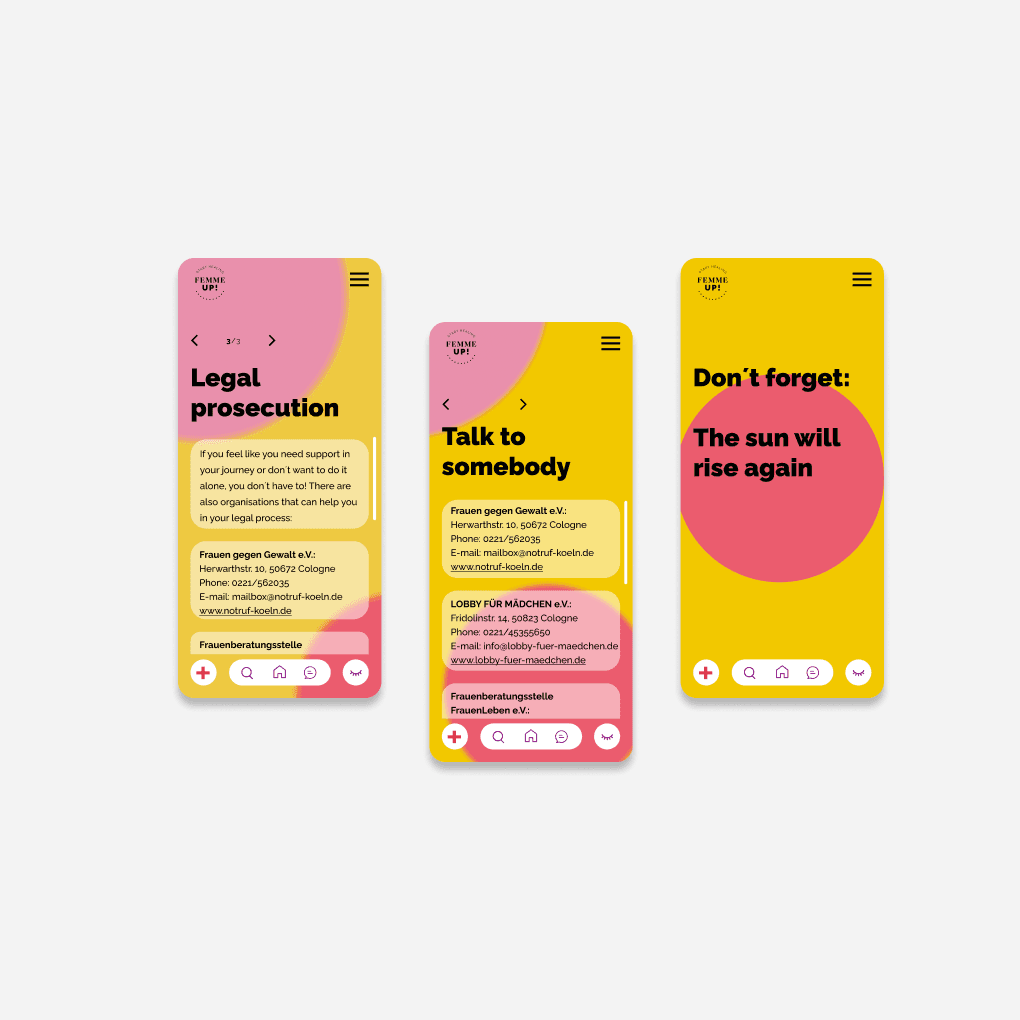
The app is both a guide and a source of comfort. Its color palette blends bold, feminine tones like red and coral with calming beige. Purple symbolizes empowerment, while yellow conveys hope. As recovery progresses, the visuals evolve—from soft, soothing hues to vibrant tones that reflect strength and renewal. Over time, deeper content—such as legal processes—is introduced when the user is more emotionally ready to engage with it.
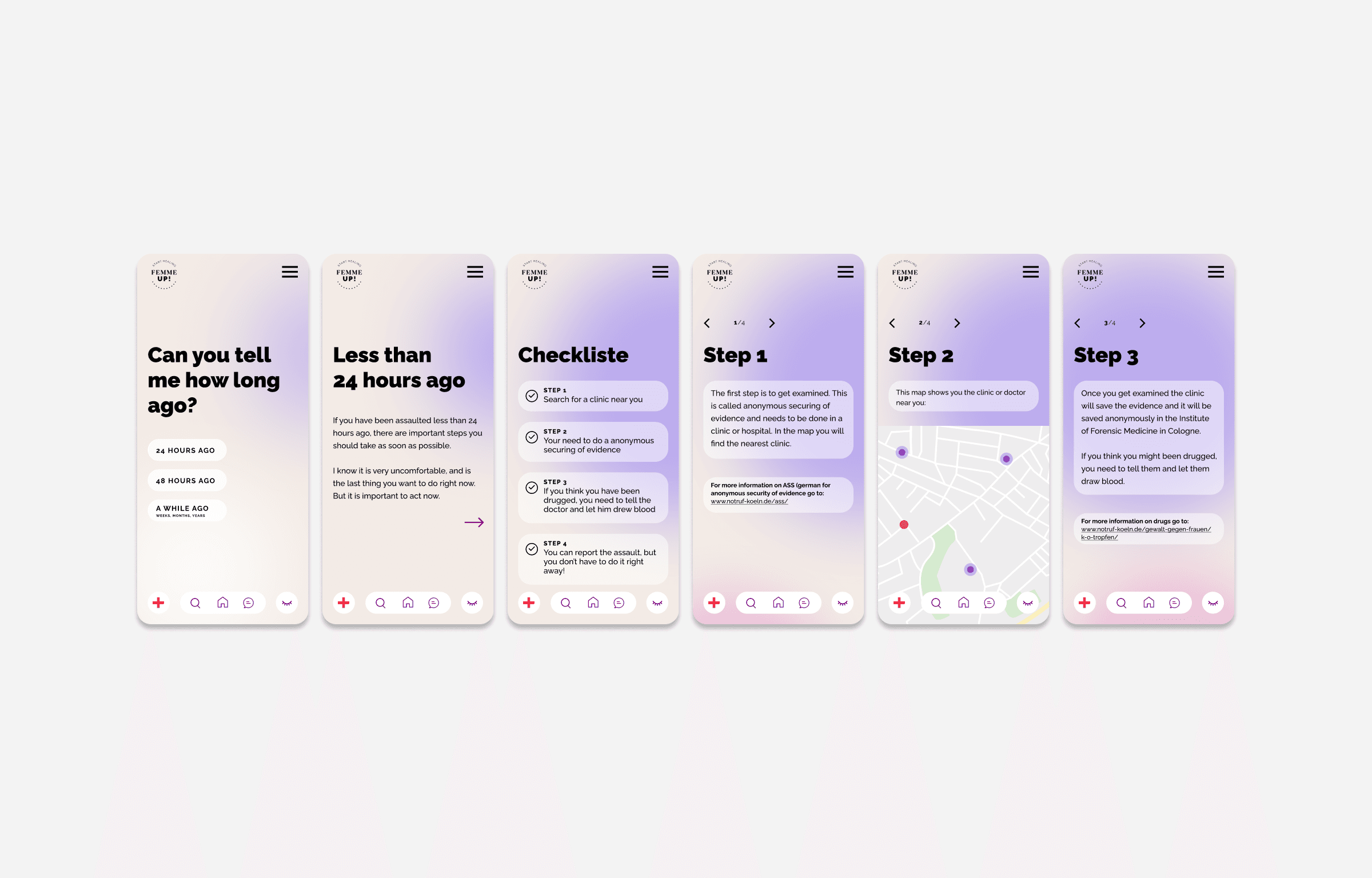
The first step is identifying when the sexual assault occurred. Based on this, the app generates a personalized checklist with essential next steps—offering clear guidance and support during a critical time.
If the assault occurred some time ago, the user may be at a different point in their recovery journey, requiring different steps. For instance, the app provides tailored guidance on how to report the assault, explains the legal process, and connects the user with available support systems.
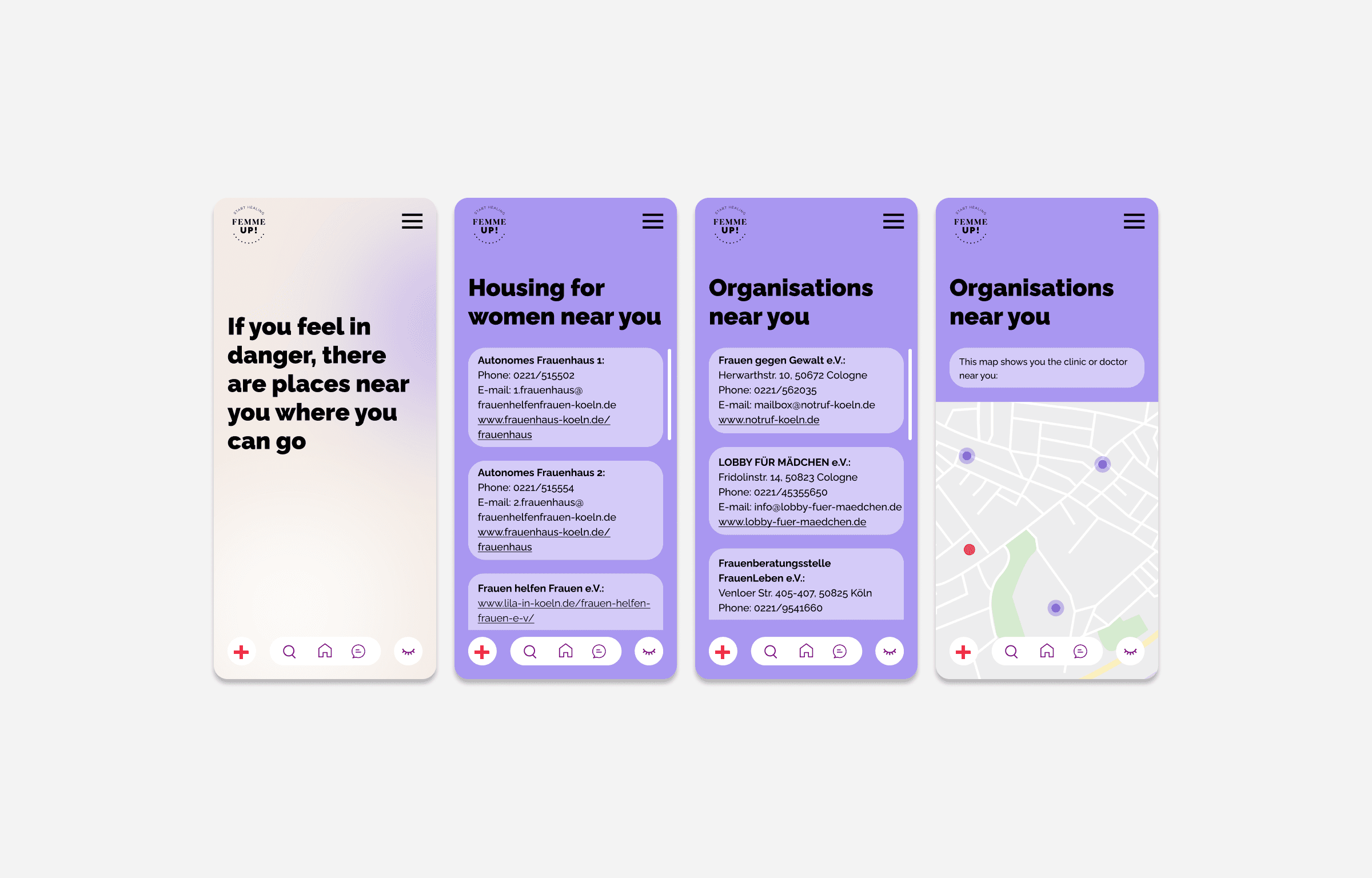
A key goal of the app is to provide access to available resources at any time. Using an interactive map, users can easily locate nearby support services and get the help they need, when they need it.
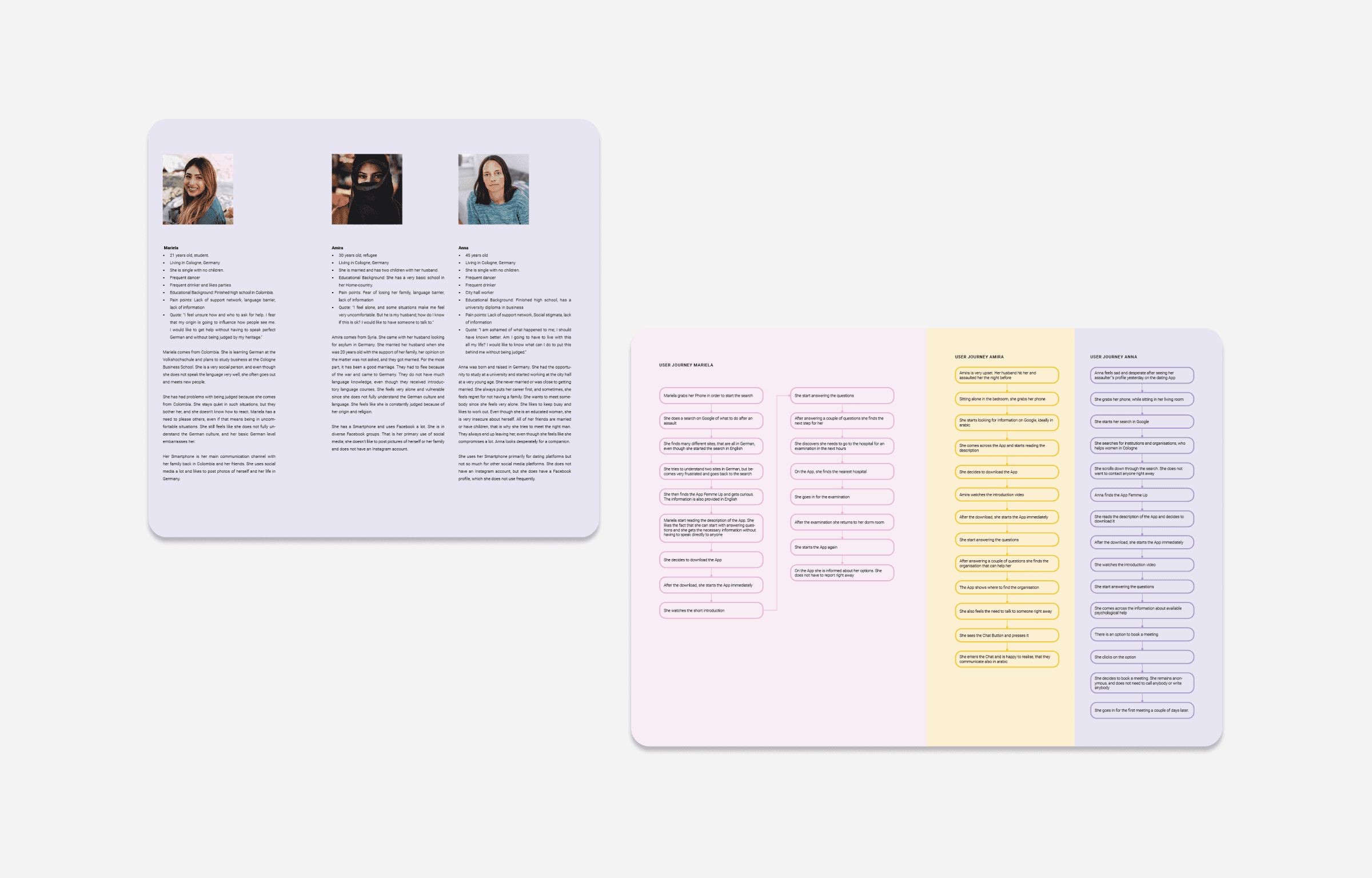
To design an accurate and functional product, creating personas and user journeys is essential.
Based on insights gathered from expert interviews, I developed three distinct personas—each with unique backgrounds, goals, and challenges. To better understand their experiences, I mapped out user journeys that helped me identify how to deliver the most relevant and meaningful information for each user.
To design an accurate and functional product, creating personas and user journeys is essential.
Based on insights gathered from expert interviews, I developed three distinct personas—each with unique backgrounds, goals, and challenges. To better understand their experiences, I mapped out user journeys that helped me identify how to deliver the most relevant and meaningful information for each user.
The app is both a guide and a source of comfort. Its color palette blends bold, feminine tones like red and coral with calming beige. Purple symbolizes empowerment, while yellow conveys hope. As recovery progresses, the visuals evolve—from soft, soothing hues to vibrant tones that reflect strength and renewal. Over time, deeper content—such as legal processes—is introduced when the user is more emotionally ready to engage with it.
The first step is identifying when the sexual assault occurred. Based on this, the app generates a personalized checklist with essential next steps—offering clear guidance and support during a critical time.
If the assault occurred some time ago, the user may be at a different point in their recovery journey, requiring different steps. For instance, the app provides tailored guidance on how to report the assault, explains the legal process, and connects the user with available support systems.
A key goal of the app is to provide access to available resources at any time. Using an interactive map, users can easily locate nearby support services and get the help they need, when they need it.
To design an accurate and functional product, creating personas and user journeys is essential.
Based on insights gathered from expert interviews, I developed three distinct personas—each with unique backgrounds, goals, and challenges. To better understand their experiences, I mapped out user journeys that helped me identify how to deliver the most relevant and meaningful information for each user.
The app is both a guide and a source of comfort. Its color palette blends bold, feminine tones like red and coral with calming beige. Purple symbolizes empowerment, while yellow conveys hope. As recovery progresses, the visuals evolve—from soft, soothing hues to vibrant tones that reflect strength and renewal. Over time, deeper content—such as legal processes—is introduced when the user is more emotionally ready to engage with it.
The first step is identifying when the sexual assault occurred. Based on this, the app generates a personalized checklist with essential next steps—offering clear guidance and support during a critical time.
If the assault occurred some time ago, the user may be at a different point in their recovery journey, requiring different steps. For instance, the app provides tailored guidance on how to report the assault, explains the legal process, and connects the user with available support systems.
Outcome
Femme Up! is a solo project that combines deep research, UX strategy, and purposeful UI design to create a digital tool that meets survivors where they are—offering support, reassurance, and a path toward healing.